← All templates
Glitch Product Launch
A security or monitoring product launch
Make the same video as the "Glitch Product Launch" template on ultramotion.ai: https://ultramotion.ai/templates/glitch-security-launch/

If you can install skills, run npx skills add sunsiyuan/ultramotion first and use examples/wickett.html in skills/glitch as the starting point: copy it and keep the look, the pacing, the camera, the type and the music exactly as they are; only replace what is in 【】 below with mine. If the words are longer or shorter, change the size and the line breaks, not the structure. If you can't install skills, make the same video as the one on that page from scratch.

My content:
- Product name: 【Wickett】
- The one thing that is wrong: 【a sign-in from Kaunas on an unknown laptop】
- The last line: 【…】

Deliver: Square 1080×1080, 30 fps, an mp4 with music, in the current directory.
Made at 1:1. For another size (9:16, 16:9, 4:5, 1:1), say so in the prompt.

More in this style
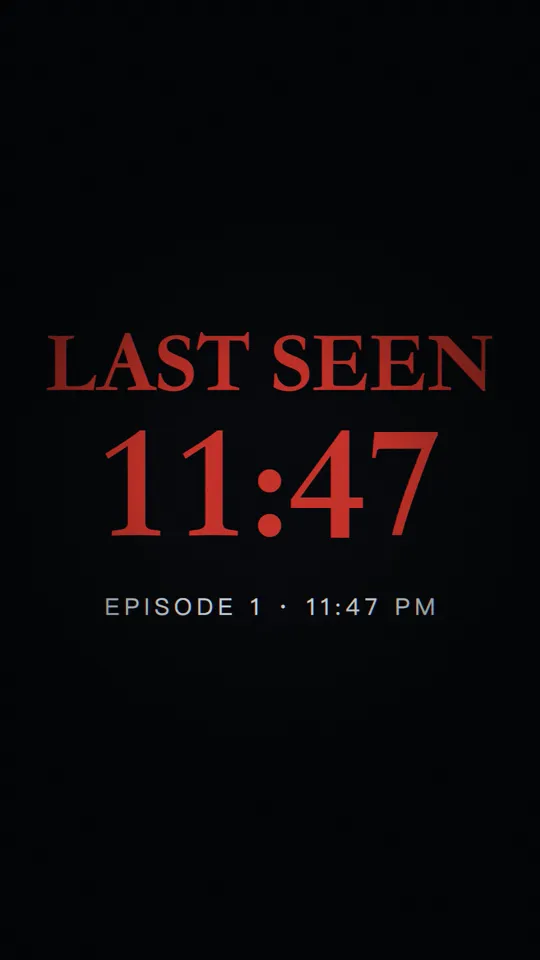 Glitch Title Card
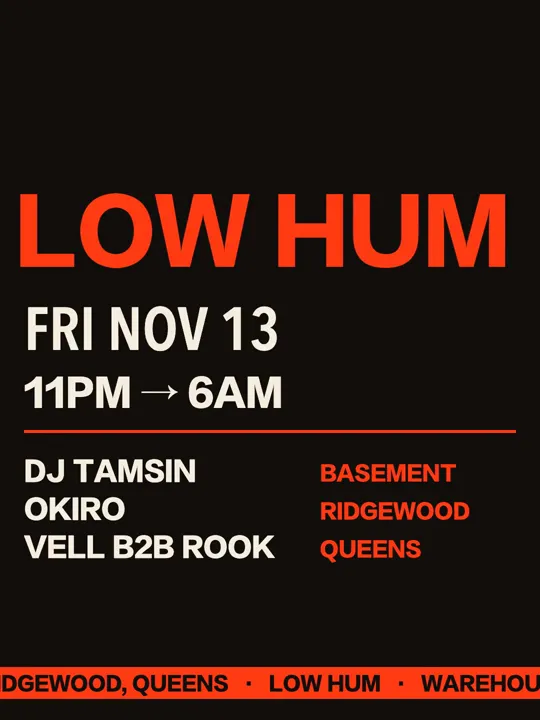 Glitch Club Night Poster
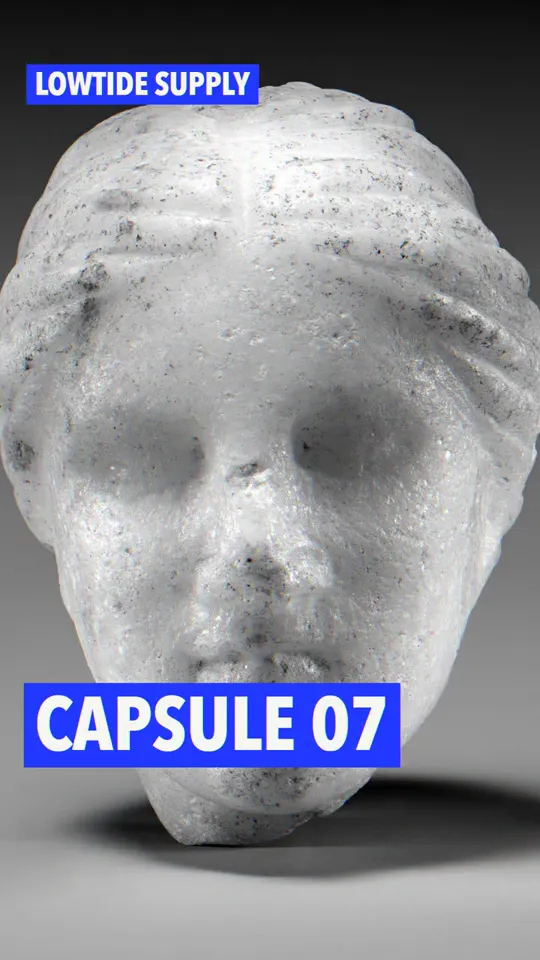 Glitch Streetwear Drop
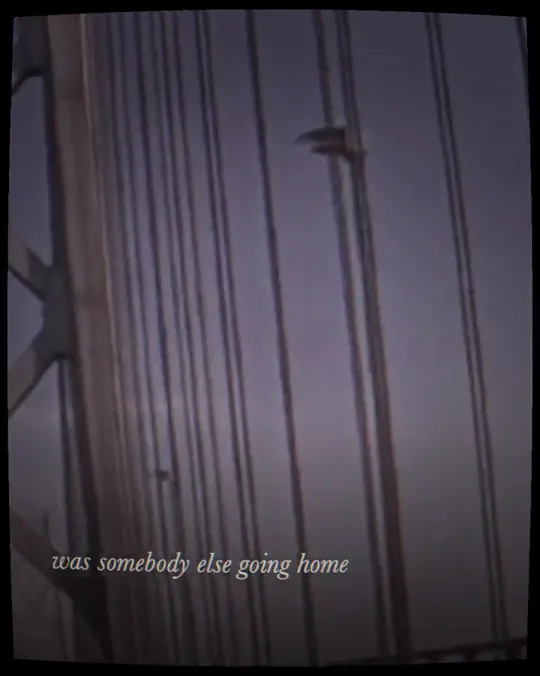 VHS Glitch Lyric Video
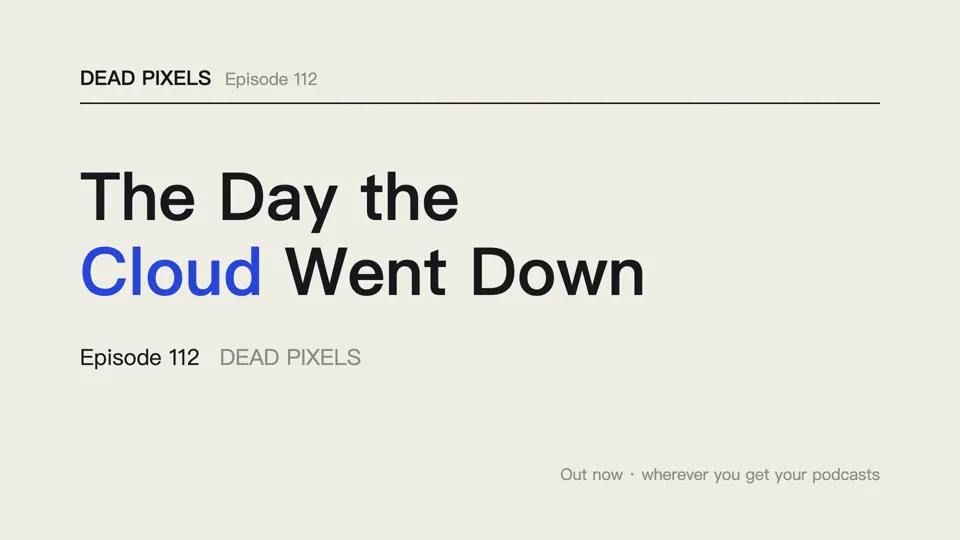 Glitch Podcast Intro
The full prompt behind the first sampleEverything the first sample was made from, written out. Use it to make it from scratch, or to see how it is put together.
Make a video in the Glitch style from ultramotion.ai: https://ultramotion.ai/styles/glitch/
The style is an open-source Agent Skill. If you can install skills, run npx skills add sunsiyuan/ultramotion first and build it with the glitch template (glitch.js takes the clean picture you draw on a 2D canvas each frame and breaks it in one WebGL pass, following a list of breaks you place in time — the same list gives the sounds; render.py renders, splitting any footage into frames first; sound.py synthesizes the glitch sounds and scores the music on sampled instruments). If you can't, write it from scratch following the description below.

[Deliverable]
- Subject: a square launch post for Wickett, sign-in protection for small teams. A list of this morning's sign-ins, all normal — except one row, and only that row keeps breaking up. When Wickett blocks it, the row goes still. The rest of the frame never glitches.
- Square 1080×1080, 30 fps, 11.5 seconds, an mp4 with music and sound, saved in the current directory.
- Every frame is a pure function of time t: one function draws the clean picture from t alone, and the breaks are a shader pass over it. Render with a headless browser frame by frame, encode with ffmpeg, then add the sound.

[Only the wrong thing breaks — this is the style]
- Most frames are clean. Each break is 2–4 frames and changes something; nothing breaks to decorate.
- Every break is limited to the bad row's box (x 60, y 746, 960×76). The headline, the other rows, the header and the end card never glitch.
- Breaks fall on what happens in the picture, not on the beat; when the row breaks, the music breaks with it.

[Shots]
- 0.3 s: the headline fades in (0.2 s), top left: "Every sign-in looks like / your team."
- Under it, a table: grey column heads TIME · ACCOUNT · FROM · DEVICE and a thin rule. The rows appear one by one, 0.42 s apart, each fading in over 0.1 s:
  1.5 s  09:12  [email protected]  Portland, US  MacBook
  1.92 s 09:14  [email protected]  Portland, US  ThinkPad
  2.34 s 09:15  [email protected]  Portland, US  iPhone
  2.76 s 09:17  [email protected]  Seattle, US  MacBook
  3.18 s 09:21  [email protected]  Kaunas, LT  Windows
- 3.18 s: the last row arrives slightly wrong — a blip (two frames of colour split and a sliver of tear, at 0.6 strength) on that row only.
- 4.05 s: a tear on the row (bands sliding apart, at 0.8).
- 4.4 s: the headline changes to "Except one."
- 4.95 s: blocks on the row — compression blocks copied from elsewhere, flattened, colours crushed.
- 5.6 s: a heavy hit on the row (tear + channel split + blocks, at 1.2).
- 6.3 s: Wickett catches it. The row turns orange and goes still: an orange box drawn round it (3 px), an orange tab on its top-right corner reading BLOCKED. Nothing on it breaks again.
- 6.8 s: two small grey lines fade in near the bottom: "Right password. Wrong laptop, wrong country," / "six minutes after Maria signed in from Portland."
- 8.6 s: a clean cut to the end card: "Wickett" large, an orange bar under it; at 9.0 s "Sign-in protection for teams of 5 to 500." and, lower and grey, "Public beta opens November 4". It holds clean to the end.

[How it looks]
- A navy security dashboard: ground about #0b1020, text about #e8ecf4, grey about #6f7a95, table rules about #1d2640, one orange (about #ff7a1a) that belongs only to the blocked row and the bar under the name.
- Type: Avenir Next for the headline (600, 62 px, at x 80, y 190 and 262), column heads (500, 24 px) and captions (400, 28 px); Menlo 30 px for every row, in columns at x 80, 210, 570 and 850, rows 92 px apart starting at y 430. The end card: "Wickett" Avenir Next Bold 120 px at x 80, y 520, the bar 90×8 px under it, the line 40 px, the date 32 px grey at y 920.
- A clean modern screen: no scanlines, no curvature, no vignette, no grain. Type sits still and well set; the break is what moves it.

[Sound]
- Music at 108 BPM in E minor, small and electronic: a quiet synth-bass pulse on E (E2) in eighth notes under a held pad — E minor (E3 B3 E4) from 0.2 s, E minor 7 (E3 B3 D4) from 3.0 s.
- From 3.3 s, once the bad row is on screen, the bass thins to one soft note every two beats.
- At 6.3 s, the block: the pad opens into C major (C3 G3 C4 E4), the bass comes back full, an electric-piano E4 rings, with a low thud and a key tap.
- At 8.6 s the end card: the bass drops to C (C2), the pad C3 G3 C4 G4; at 9.0 s an electric-piano C4 and G4 together. The bass stops a second before the end.
- A soft tick as each row appears.
- Each break makes its sound on the same frame, read from the same list of breaks, never typed times: the blip a short electronic chirp; the tear and the hit a burst of digital garbage with the music cut to silence for those frames; the blocks a crunch with the music bit-crushed under it.

[Check before you hand it over]
- Pull frames on each break and on clean frames between (for example 3.2, 4.07, 4.4, 4.97, 5.62, 6.5, 7.5, 9.5 s) into one contact sheet and look at it.
- Anything outside the bad row breaking: limit every break to the row's box.
- Every break looking the same: vary the kind, length and strength — blip, tear, blocks, hit.
- The whole screen flashing or dimming on a break: lower the strength, keep it in the box.
- Breaks on the beat: move them to the picture's events; the music stops for a break instead of hitting it.
- Columns that drift as text changes: Menlo is fixed-width; if it isn't installed, pick another monospace.
- Sound and picture apart: take the sounds from the list of breaks.
- Copy about glitches: write what the product would actually say.